
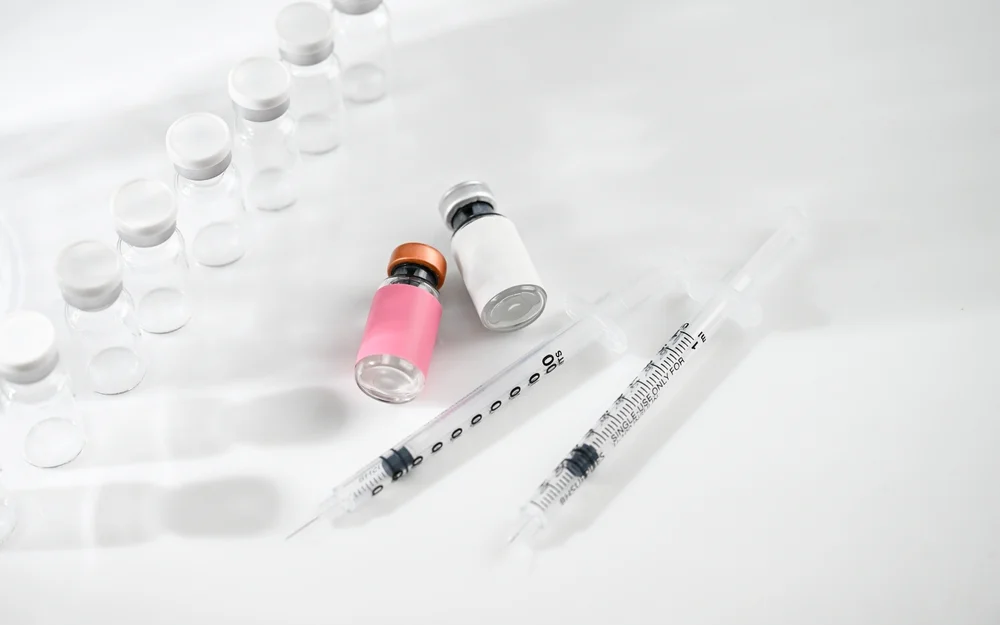
TL;DR: GLP-1 receptor agonists have become one of the most talked-about developments in weight management. While branded medications like Ozempic and Wegovy have dominated headlines, they represent just one approach within the broader category of GLP-1-based therapies. Understanding the differences between branded pharmaceuticals and physician-guided peptide therapy programs — including access, cost, customization, and the importance of comprehensive care — can help you make an informed decision about which path is right for your weight management journey.
—
Key Takeaways
- GLP-1 receptor agonists are a class of compounds that mimic a natural gut hormone involved in appetite regulation and blood sugar control
- Branded medications (Ozempic, Wegovy) and compounded GLP-1 peptides both work on GLP-1 pathways but differ in access, cost, and how they’re delivered
- The medication alone is not the whole solution — sustainable weight management requires comprehensive physician oversight, monitoring, and lifestyle support
- Customization and physician guidance are critical regardless of which GLP-1 option you choose
- At Fountain of Eden, GLP-1 peptide therapy is part of a complete metabolic program, not a standalone prescription
What Are GLP-1 Peptides?
GLP-1 (glucagon-like peptide-1) is a hormone your body naturally produces in the small intestine after you eat. It serves several important metabolic functions:
- Signals satiety to the brain, helping you feel full and satisfied
- Slows gastric emptying, extending the feeling of fullness after meals
- Stimulates insulin release in response to food, supporting blood sugar regulation
- Reduces glucagon secretion, helping prevent blood sugar spikes
GLP-1 peptides are therapeutic compounds designed to mimic or enhance these natural actions. When used for weight management, they may help reduce appetite, stabilize blood sugar, and support the metabolic conditions that allow sustainable fat loss.
The GLP-1 receptor agonist class includes several different compounds, and understanding the landscape can help you navigate your options more effectively.
Understanding the Current GLP-1 Landscape
Branded GLP-1 Medications
The most well-known GLP-1 medications in the weight management space include:
- Ozempic (semaglutide) — Originally FDA-approved for Type 2 diabetes management, widely used off-label for weight management
- Wegovy (semaglutide) — The same active ingredient as Ozempic, FDA-approved specifically for chronic weight management at higher doses
- Mounjaro / Zepbound (tirzepatide) — A dual GIP/GLP-1 receptor agonist approved for diabetes and weight management
These branded medications have brought enormous public awareness to GLP-1-based therapies and have demonstrated significant results in large clinical trials.
Compounded GLP-1 Peptides
Compounded GLP-1 peptides are formulations prepared by licensed compounding pharmacies under physician prescription. These may include semaglutide or other GLP-1 receptor agonist compounds and are typically part of a physician-directed treatment protocol.
How Do They Compare?
Understanding the practical differences between these approaches can help you and your physician determine the best fit for your situation:
| Factor | Branded GLP-1 Medications | Physician-Guided Peptide Program |
| Active compounds | Single branded compound (e.g., semaglutide) | May include various GLP-1 and complementary peptides |
| Dosing | Standardized dose escalation schedule | Physician-customized dosing based on individual response |
| Access | Requires insurance coverage or retail pricing; supply shortages common | Typically more accessible through compounding pharmacies |
| Cost | Can exceed $1,000+/month without insurance | Often more affordable, varies by protocol |
| Customization | Limited to manufacturer’s formulation | Protocol tailored to individual metabolic profile |
| Complementary care | Varies by prescriber | Integrated with comprehensive metabolic program |
| Monitoring | Varies by prescriber | Built into treatment protocol with regular assessment |
| Additional peptides | Single medication approach | May combine GLP-1 with supportive peptides (therapeutic peptides) |
Important Notes on This Comparison
This comparison is intended as educational information, not a recommendation of one approach over another. Several important considerations:
- All GLP-1 therapies require physician oversight. These are prescription medications with potential side effects and contraindications that require proper medical evaluation.
- The regulatory landscape is evolving. Rules around compounded peptides are subject to change and vary by jurisdiction. Always work with a licensed physician and pharmacy.
- Individual results vary significantly. What works best depends on your unique health profile, insurance situation, and medical history.
Why the Medication Is Only Part of the Equation
Here’s what often gets lost in the headlines about GLP-1 medications: the compound itself — whether branded or compounded — is only one piece of a successful weight management strategy.
Research consistently shows that the best outcomes with GLP-1 therapy occur when the medication is part of a comprehensive, physician-guided program that includes:
1. Thorough Baseline Assessment
Before starting any GLP-1 therapy, a complete understanding of your metabolic health is essential. At Fountain of Eden, this begins with a Comprehensive Biological Age Assessment that reveals your insulin sensitivity, inflammatory markers, hormonal balance, and cellular health.
2. Personalized Protocol Design
Your dosing, peptide selection, and treatment timeline should be customized based on your assessment results — not a one-size-fits-all escalation schedule. Some patients benefit from combining GLP-1 peptides with other therapeutic peptides that support gut health, muscle preservation, or hormonal balance.
3. Nutritional and Metabolic Support
GLP-1 peptides reduce appetite — which means the nutrition you do consume becomes even more important. Proper guidance ensures you’re maintaining adequate protein intake, essential nutrients, and the caloric balance needed to preserve muscle mass while losing fat.
4. IV Therapy and Nutrient Optimization
IV vitamin infusion therapy can complement GLP-1 therapy by ensuring your cells have the nutrients they need for optimal metabolic function — particularly NAD+ for cellular energy, B vitamins for metabolism, and amino acids for muscle preservation.
5. Ongoing Monitoring and Adjustment
Your body’s response to GLP-1 therapy changes over time. Regular monitoring allows your physician to adjust dosing, add or modify complementary treatments, and ensure you’re progressing safely toward your goals.
6. Transition and Maintenance Planning
One of the most critical — and most overlooked — aspects of GLP-1 therapy is what happens when you reduce or discontinue the medication. Without a comprehensive approach that addresses metabolic health holistically, weight regain after stopping GLP-1 therapy is common. A well-designed program builds sustainable metabolic health that outlasts the treatment period.
The Fountain of Eden Approach to GLP-1 Peptide Therapy
At Fountain of Eden Wellness, Dr. Michele West-Harvey incorporates GLP-1 peptide therapy into our weight management programs as part of a comprehensive, individualized protocol. Here’s what makes our approach different:
- Assessment first: Every weight management patient starts with thorough metabolic and biological age testing.
- Multi-modal treatment: Peptide therapy is combined with IV support, nutritional guidance, and lifestyle recommendations.
- Physician-directed: Dr. West-Harvey personally oversees protocol design, dosing decisions, and ongoing adjustments.
- Whole-person focus: We address the metabolic, hormonal, nutritional, and cellular factors affecting your weight — not just appetite.
- Sustainable results: Our Metabolic Reset Package is designed to create lasting metabolic improvement, not just temporary weight loss.
Frequently Asked Questions About GLP-1 Peptides
Are GLP-1 peptides safe?
GLP-1 receptor agonists have an established safety profile when prescribed and monitored appropriately. Common side effects include mild nausea, particularly during the initial dosing phase. As with any medical treatment, a thorough evaluation by a qualified physician is essential before starting therapy.
How quickly do GLP-1 peptides work for weight management?
Most patients notice changes in appetite and satiety within the first few weeks. Meaningful weight loss typically becomes apparent within 4-8 weeks, with optimal results occurring over several months of consistent therapy combined with comprehensive metabolic support.
Can I switch from Ozempic to a peptide therapy program?
Many patients transition between different GLP-1 approaches. If you’re currently on a branded medication and interested in exploring a comprehensive peptide therapy program, a consultation with Dr. West-Harvey can help determine the best transition plan.
Do I need to diet and exercise while on GLP-1 peptides?
GLP-1 peptides are designed to be part of a comprehensive approach to weight management. While they may significantly reduce appetite and support metabolic function, combining therapy with appropriate nutrition and movement produces the best and most sustainable results.
What happens when I stop taking GLP-1 peptides?
This is one of the most important questions in weight management. The answer depends largely on whether the underlying metabolic factors have been addressed during treatment. At Fountain of Eden, our comprehensive approach aims to improve your metabolic health at a foundational level, supporting better outcomes when therapy is eventually reduced.
Making an Informed Decision
The emergence of GLP-1-based therapies represents a genuine advancement in weight management medicine. Whether you’re considering a branded medication, a compounded peptide protocol, or want to understand your options more fully, the most important factor is working with a physician who sees your weight management as a comprehensive health journey — not just a prescription to fill.
Your next step: Schedule a consultation with Dr. Michele West-Harvey at Fountain of Eden Wellness to discuss which GLP-1 approach is right for you and how our Metabolic Reset Package creates the conditions for lasting results.
This article is for educational purposes only and does not constitute medical advice. All weight management treatments require physician evaluation. Individual results vary. GLP-1 peptide therapy is a prescription medical treatment.
Related Reading: