
Platelet Rich Plasma (PRP) Therapy — Natural Healing at Fountain of Eden
PRP therapy uses concentrated platelets from your own blood to deliver a powerful dose of growth factors directly to damaged joints, soft tissues, or skin. This minimally invasive, autologous treatment may accelerate healing, reduce inflammation, and stimulate tissue regeneration — with virtually no risk of allergic reaction or rejection. At Fountain of Eden, Dr. Michele West-Harvey, MD, MPH, QIA, ABP-CP personalizes every PRP protocol for optimal results.
Key Takeaways
PRP is prepared from your own blood (autologous), eliminating risks of rejection or allergic reaction
Platelets contain growth factors that stimulate tissue repair, collagen production, and new blood vessel formation
PRP therapy is effective for joint pain, osteoarthritis, tendon injuries, and aesthetic rejuvenation
The entire preparation and injection process typically takes 60–90 minutes in-clinic
Most patients require 2–4 sessions spaced several weeks apart for optimal results
PRP pairs effectively with stem cell therapy, shockwave therapy, and other regenerative treatments
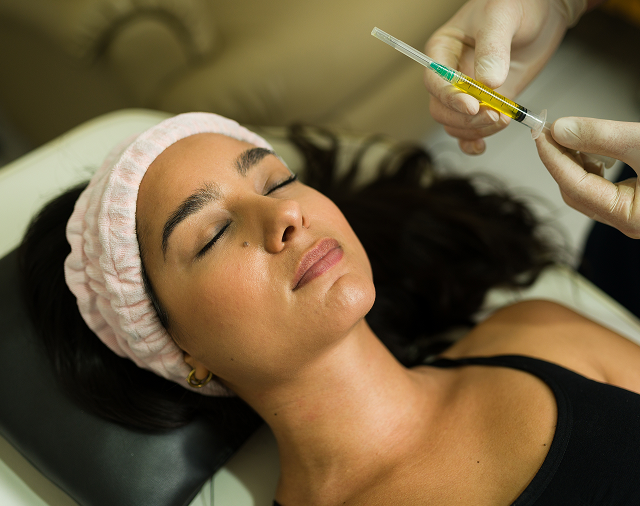
What Is PRP Therapy?
Platelet Rich Plasma (PRP) therapy is a regenerative treatment that concentrates your body’s own healing elements to promote accelerated tissue repair. Platelets — a component of your blood best known for clotting — also contain a rich reservoir of growth factors, cytokines, and bioactive proteins essential for healing.
During PRP therapy, a small sample of your blood is drawn and processed to create a plasma concentrate with 3 to 5 times the normal platelet concentration. This concentrated preparation is then injected directly into the area requiring treatment — whether that’s an arthritic knee, a damaged tendon, or facial skin undergoing rejuvenation.
Because PRP is derived entirely from your own body, it is one of the most natural forms of regenerative medicine available today.
How Is PRP Prepared From Your Own Blood?
Understanding the PRP preparation process helps illustrate why this treatment is both safe and effective:

Blood Draw
A small sample of blood — typically 30–60 mL (about 2–4 tablespoons) — is drawn from your arm, similar to a routine lab test.

Centrifugation
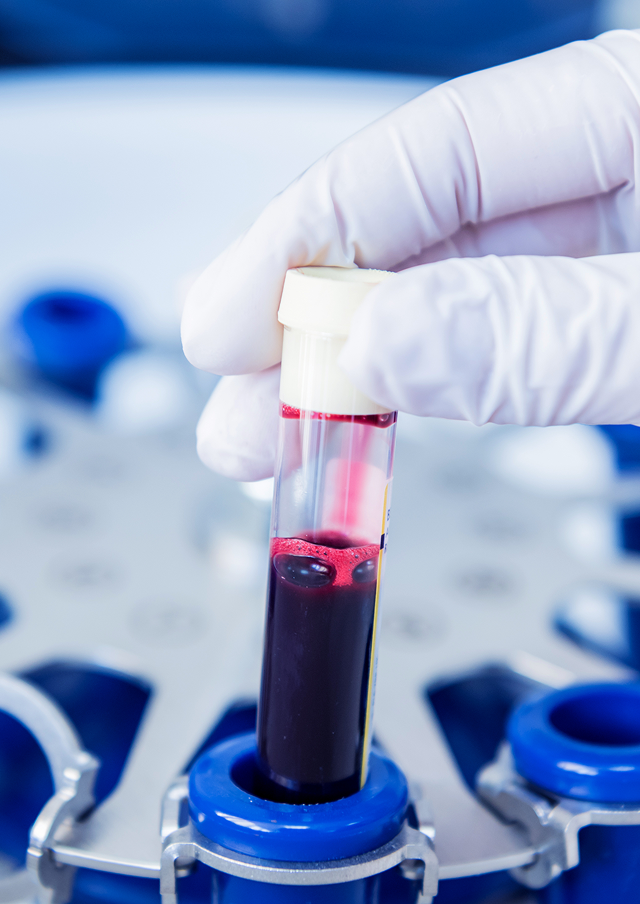
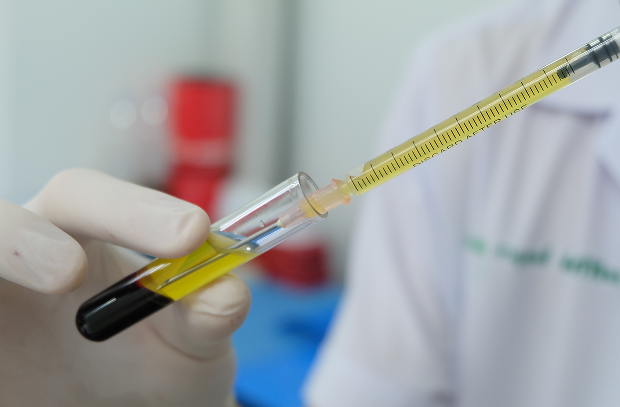
Your blood sample is placed in a specialized centrifuge that spins at high speed. This separates the blood into its components:
– Red blood cells (bottom layer)
– Platelet-rich plasma (middle layer — the therapeutic gold)
– Platelet-poor plasma (top layer)

Concentration
The platelet-rich layer is carefully extracted and may be further processed to achieve the optimal concentration for your specific treatment.

Injection
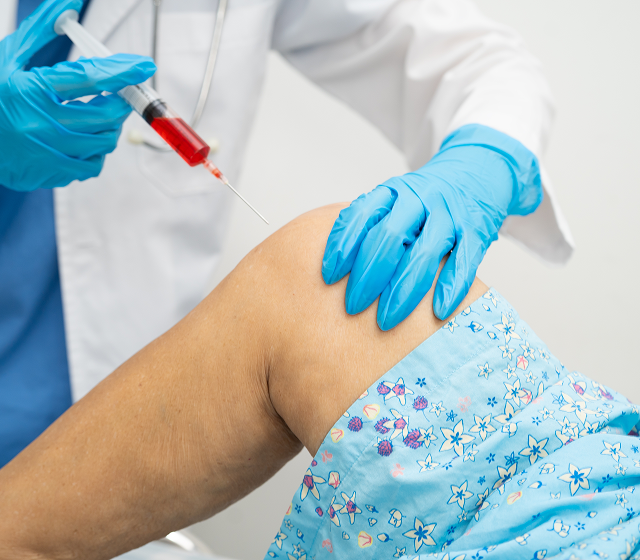
The PRP is injected precisely into the target area using image guidance (ultrasound) when appropriate for musculoskeletal applications, or topically applied for aesthetic treatments.
Total in-clinic time: approximately 60–90 minutes from blood draw to completed injection.
What Conditions Does PRP Therapy Treat?
PRP therapy has established itself as a versatile regenerative treatment with applications in both musculoskeletal medicine and aesthetics.
PRP for Joints & Musculoskeletal Conditions
PRP injections for joints have shown promise in supporting healing and pain relief for:
- Knee Osteoarthritis — May reduce pain and improve function by supporting cartilage health
- Hip and Shoulder Arthritis — Targeted growth factor delivery to inflamed joints
- Tennis Elbow (Lateral Epicondylitis) — Promotes tendon repair at the point of injury
- Rotator Cuff Injuries — Supports healing of partially torn or strained tendons
- Plantar Fasciitis — Growth factors may accelerate resolution of chronic heel pain
- Achilles Tendinopathy — Stimulates repair in chronically damaged tendons
- Meniscus and Ligament Support — May support healing of soft tissue injuries
PRP therapy may help you avoid or delay surgical intervention while promoting natural tissue repair.
PRP for Aesthetics & Anti-Aging
PRP has also gained significant recognition in aesthetic medicine:
- Facial Rejuvenation (PRP Facial) — Stimulates collagen and elastin production for firmer, more youthful skin
- Hair Restoration — PRP scalp injections may support hair follicle health and stimulate regrowth
- Scar Reduction — Growth factors may help improve the appearance of acne scars and surgical scars
- Skin Texture Improvement — Enhanced cellular turnover for smoother, more even-toned skin
For patients interested in aesthetic applications, PRP works beautifully alongside our Exosome Hydrogel Facial Mask for continued skin support between treatments.
PRP for Joints vs. PRP for Aesthetics: Key Differences
Feature | PRP for Joints | PRP for Aesthetics |
Target Area | Joints, tendons, ligaments, muscles | Face, scalp, skin |
Delivery Method | Deep injection (often ultrasound-guided) | Superficial injection or microneedling |
Primary Goal | Pain relief, tissue repair, mobility | Skin rejuvenation, hair growth, scar improvement |
Number of Sessions | 2–4 sessions, 4–6 weeks apart | 3–4 sessions, 4–6 weeks apart |
Downtime | Minimal — avoid strenuous activity 48 hrs | Minimal — mild redness for 24–48 hrs |
Complementary Treatments | Exosome therapy, peptides |
What to Expect During PRP Therapy
Before Your Appointment
- Consultation with Dr. West-Harvey to evaluate your condition and confirm PRP candidacy
- You may be asked to discontinue certain medications (such as NSAIDs and blood thinners) for several days prior to treatment, as these can affect platelet function
- Stay well-hydrated before your appointment to support blood draw quality
During Your Treatment
- Blood draw — Quick and straightforward (5–10 minutes)
- Processing — Your blood is centrifuged while you wait comfortably (15–20 minutes)
- Injection — PRP is carefully delivered to the treatment site (10–30 minutes depending on area)
- Post-procedure monitoring — Brief observation period before discharge
After Your Treatment
- Joint PRP: Mild soreness at the injection site is normal for 2–5 days. Avoid high-impact activities for 1–2 weeks. You may notice initial improvement within 2–4 weeks, with peak results at 2–3 months.
- Aesthetic PRP: Mild redness, swelling, or bruising is normal for 24–48 hours. Results develop gradually over 4–8 weeks as collagen production increases.
How Many PRP Sessions Will I Need?
The optimal number of sessions depends on your condition and treatment goals:
- Joint Osteoarthritis: Typically 3 sessions spaced 4–6 weeks apart, with potential annual maintenance
- Tendon Injuries: Usually 2–3 sessions spaced 4–6 weeks apart
- Aesthetic/Facial PRP: Generally 3–4 sessions spaced 4–6 weeks apart, with periodic maintenance
- Hair Restoration: Often 3–4 initial sessions followed by maintenance every 4–6 months
Dr. West-Harvey will outline your recommended treatment schedule during your consultation, adjusting as needed based on your response.
Why Choose PRP at Fountain of Eden?
- Autologous treatment — Uses your own blood, the most natural approach to regenerative healing
- Physician-expertise — Every PRP treatment is performed by or under the direct supervision of Dr. Michele West-Harvey
- Advanced preparation — We use state-of-the-art centrifugation to achieve optimal platelet concentration
- Image-guided precision — Ultrasound guidance ensures accurate placement for musculoskeletal injections
- Integrative approach — PRP is part of a comprehensive regenerative strategy that may include stem cells, exosomes, peptides, and IV therapy
- Personalized protocols — No cookie-cutter treatments; every plan is tailored to your unique needs
Related Treatment Packages
PRP therapy is a key component of select regenerative packages at Fountain of Eden:
Frequently Asked Questions About PRP Therapy
Is PRP therapy safe?
PRP therapy is considered one of the safest regenerative treatments available because it uses your own blood. Since the platelets and growth factors come directly from your body, there is virtually no risk of allergic reaction, rejection, or disease transmission. The most common side effects are mild, temporary soreness and swelling at the injection site.
How long does a PRP therapy session take?
A complete PRP session — from blood draw through injection — typically takes 60 to 90 minutes. The blood draw itself is quick, and there is a 15–20 minute processing period while the PRP is prepared. The actual injection takes 10–30 minutes depending on the treatment area.
Does PRP therapy hurt?
Most patients experience mild to moderate discomfort during PRP injections, similar to a standard joint injection or blood draw. For joint and tendon treatments, local anesthesia or numbing is often used to minimize discomfort. Aesthetic PRP may involve topical numbing cream. Any post-treatment soreness typically resolves within a few days.
When will I see results from PRP therapy?
Results from PRP therapy develop gradually as the growth factors stimulate your body’s natural healing processes. For joint treatments, many patients notice improvement within 2–6 weeks, with optimal results at 2–3 months. Aesthetic results develop over 4–8 weeks as new collagen forms. Individual timelines vary.
Can PRP help me avoid joint surgery?
PRP therapy has helped many patients reduce pain, improve mobility, and delay or avoid joint surgery. While it cannot reverse severe joint destruction, it may slow progression and provide meaningful relief for mild to moderate osteoarthritis and soft tissue injuries. Dr. West-Harvey will honestly assess whether PRP is likely to benefit your specific condition.
Can I combine PRP with other regenerative treatments?
Yes, and this is often recommended. PRP works synergistically with other therapies at Fountain of Eden. For joint conditions, combining PRP with stem cell therapy and shockwave therapy may enhance outcomes. For aesthetic goals, PRP complements exosome therapy beautifully.
Who is NOT a good candidate for PRP therapy?
PRP therapy may not be appropriate for individuals with active infections, blood disorders, certain cancers, or those taking anticoagulant medications that cannot be safely paused. Patients with severely low platelet counts may also not be ideal candidates. Dr. West-Harvey conducts thorough screening to ensure PRP is safe and appropriate for you.
How long do PRP results last?
The duration of PRP results varies by condition and individual. For joint treatments, many patients experience 6 to 12 months or longer of meaningful improvement, with the option for maintenance sessions. Aesthetic PRP results may last 12 to 18 months with proper skincare and periodic touch-ups.
Experience Natural Healing With Your Own Biology
PRP therapy is regenerative medicine at its most natural — harnessing the healing power already present in your blood. At Fountain of Eden, we elevate this therapy with advanced preparation techniques, image-guided precision, and a comprehensive approach to your health.
Dr. Michele West-Harvey, MD, MPH, QIA, ABP-CP is here to help you discover whether platelet rich plasma therapy can support your healing journey.
Fountain of Eden Wellness — Where Science Meets Restoration
Disclaimer: PRP therapy results vary by individual and condition. The information on this page is for educational purposes and does not constitute medical advice. All treatments are administered under physician supervision. Please consult with Dr. West-Harvey to determine if PRP therapy is appropriate for your specific needs.